
Managing Snow Loads in Alaska: How Metal Roofing Systems Are Engineered for Extreme Weight
January 30, 2026 8:41 pm Leave your thoughtsAlaska’s winters are legendary for their severity, with snowfall amounts often exceeding 100 inches annually in many regions. This climatic reality presents a unique set of challenges when it comes to building construction, particularly for roofs. In areas like Anchorage and Fairbanks, roof systems must be designed with snow load requirements specific to their geographic and environmental conditions.
The term “snow load” refers to the weight of accumulated snow that a roof must support without risk of collapse or structural damage. In Alaska, these loads are far greater than those experienced in more temperate states. Engineers must take into account not only the density and depth of snowfall but also drifting and melting patterns, which can create highly uneven loads on roofing systems. The Alaska Building Code incorporates specific criteria for calculating snow loads, including ground snow load values which are often regionally adjusted for elevation, exposure, and thermal conditions.
Designing a roof to meet Alaska’s snow load requirements means using materials and structural reinforcements that are capable of bearing extreme weight. Metal roofing systems are a popular choice in the region due to their strength, durability, and low maintenance needs. These systems are often engineered in consultation with local building authorities to ensure compliance with all safety and performance standards.
Why Metal Roofing Excels in Alaskan Snow Conditions
Metal roofing for heavy snow in Alaska is not just a trend; it’s a practical necessity. Metal roofs offer several advantages that make them ideal for the extreme weather conditions that the state routinely experiences. One of the primary reasons is their strength-to-weight ratio. Metal panels, when properly installed and supported, can easily withstand the enormous pressures created by heavy snowfall.
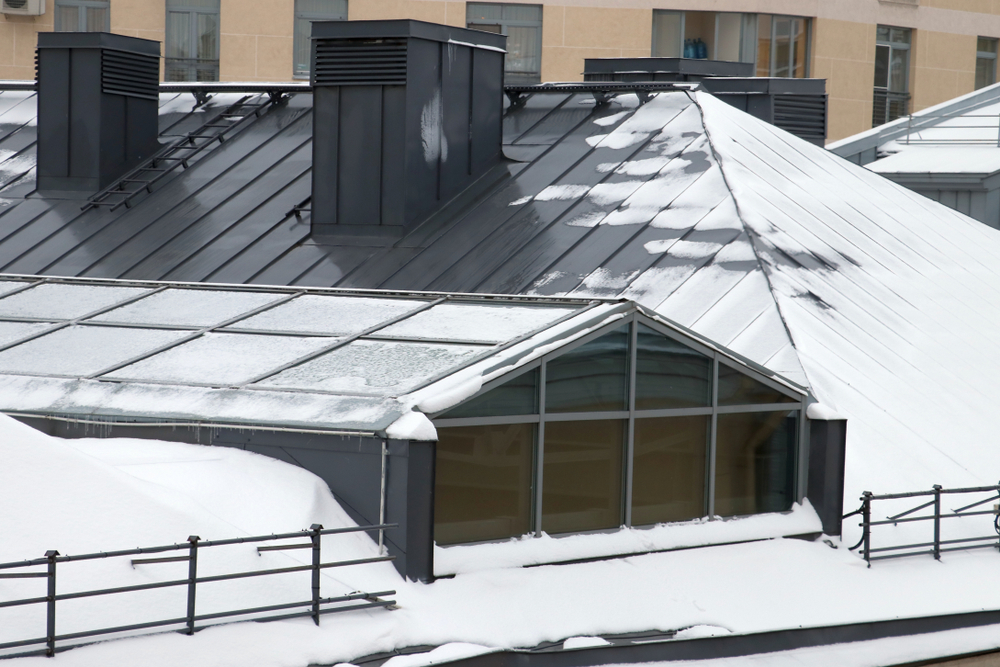
Another benefit of metal roofing is its slick surface, which facilitates snow shedding. Unlike asphalt shingles or wooden shakes, metal panels allow snow to slide off more readily, reducing the buildup of heavy drifts. This shedding action helps to decrease the cumulative snow load, thereby minimizing the structural stress on the building.
Thermal efficiency is another factor. Metal roofs are often installed with underlying insulation systems that help regulate indoor temperatures and reduce the formation of ice dams, which can add even more weight to an already burdened roof. Moreover, many metal roofing systems can be outfitted with snow retention devices that control how snow releases from the roof, preventing dangerous slides and ensuring a more even distribution of weight.
In Alaska, especially in cities like Anchorage, metal roofing supply companies often tailor their products to meet local snow load conditions. These companies provide materials that meet or exceed the load-bearing specifications outlined in Alaska’s building codes, ensuring that structures remain safe and efficient throughout the harsh winter months.
The Engineering Behind Roof Snow Load Design in Alaska
Designing a roof that can withstand Alaska’s winter requires careful engineering. Structural engineers begin by determining the anticipated snow load for a given location, factoring in data such as historical snowfall, average snow density, roof slope, and wind exposure. These calculations help establish the minimum load that the roof must safely support.
Roof pitch plays a critical role in this design process. A steeper slope promotes snow shedding and reduces load accumulation, while flatter roofs may require additional structural support to carry the full weight of snow over time. Engineers often use modeling software to simulate load scenarios and adjust the roofing framework accordingly.
Metal roofing systems are then customized to align with these specifications. Panel thickness, fastening methods, and support trusses are all designed to ensure maximum load-bearing capacity. In some cases, additional reinforcements such as cross-bracing or upgraded underlayment materials are incorporated to enhance the overall strength of the roof system.
Particular attention is paid to eaves, valleys, and roof transitions, where snow tends to accumulate unevenly. These areas are reinforced to manage localized weight and prevent structural failure. By integrating these engineering principles into every aspect of the design, roofing systems can reliably endure the most demanding conditions found in Alaska.
Local Expertise and Anchorage Metal Roofing Supply Options
Anchorage serves as a central hub for construction materials in southern Alaska, including metal roofing supply. Local suppliers understand the unique challenges posed by the region’s snow loads and stock materials that are specifically engineered for heavy-duty performance. This localized knowledge is invaluable for contractors and homeowners looking to install or upgrade roofing systems.
Metal roofing supply companies in Anchorage offer a wide range of products designed to meet the needs of both residential and commercial buildings. From corrugated steel panels to standing seam systems, these products are tested to meet the snow load requirements established by state and municipal codes. Many suppliers also offer custom fabrication services, allowing builders to specify exact dimensions, finishes, and reinforcements.
In addition to materials, many of these companies provide technical support and installation guidance. Whether working on a remote cabin or a large urban structure, having access to local expertise ensures that the roofing system is properly designed and installed. Suppliers often work closely with structural engineers to verify that the selected materials meet the load-bearing requirements for specific projects.
Customers also benefit from quicker delivery times and more responsive customer service when sourcing materials locally. In a climate where delays can be costly and dangerous, this logistical efficiency plays a key role in project success.
Long-Term Performance and Maintenance in Extreme Conditions
Metal roofing for heavy snow in Alaska is not only about initial strength but also long-term reliability. Once installed, a metal roof requires minimal maintenance, which is especially important during the long and unforgiving winter months. Unlike other roofing materials that may crack, warp, or absorb moisture, metal retains its integrity under prolonged exposure to snow and ice.
Routine inspections are still recommended, especially after significant storms. These checks help identify any areas where snow may be accumulating excessively or where fasteners may have loosened due to thermal expansion and contraction. In most cases, however, a well-designed metal roof will perform reliably for decades with very little intervention.
Corrosion resistance is another important factor in long-term performance. Many metal roofing systems in Alaska are coated with protective finishes such as galvanized or galvalume layers, which shield the panels from moisture and chemical reactions that can lead to rust. These coatings extend the life of the roof and help maintain its structural capacity over time.
Snow guards and ice dam prevention systems should also be evaluated periodically. These accessories ensure that snow and ice are managed safely, preventing sudden releases that can damage property or pose hazards to people below. When these systems are included as part of the original design and properly maintained, they contribute significantly to the overall safety and effectiveness of the roof.
Conclusion
Managing snow loads in Alaska is a critical aspect of building design, particularly when it comes to roofing systems. With snowfall amounts that far exceed the national average, structures in the state must be engineered to handle extraordinary weight. Metal roofing for heavy snow in Alaska offers a reliable and efficient solution, combining strength, durability, and weather resistance in a system built to endure.
From Anchorage to more remote regions, local suppliers and engineers work together to create roofing systems that meet or exceed snow load requirements. With careful attention to design, material selection, and maintenance, metal roofs provide long-lasting protection against the harshest elements. For anyone building or renovating in Alaska, investing in a metal roof designed for extreme conditions is a smart and necessary choice.
Got questions? Let us help! Call us today to learn more!
Categorised in: Metal Roofing
This post was written by admin