Safe Retrofitting: Managing Hazardous Materials in Older Anchorage Properties
May 8, 2026 3:06 pm Leave your thoughtsAnchorage, Alaska, is a city with deep roots and a rich architectural history. Many of its residential and commercial buildings date back several decades, constructed during an era when hazardous materials were standard components of everyday building practice. For contractors, property owners, and developers working on retrofitting or renovation projects today, understanding how to handle these materials safely is not just a regulatory requirement; it is a matter of protecting lives.
From asbestos-laden insulation to lead-based paint and beyond, older Anchorage properties present unique challenges that demand careful planning, proper training, and the right equipment.
Understanding the Hazardous Material Landscape in Older Anchorage Buildings
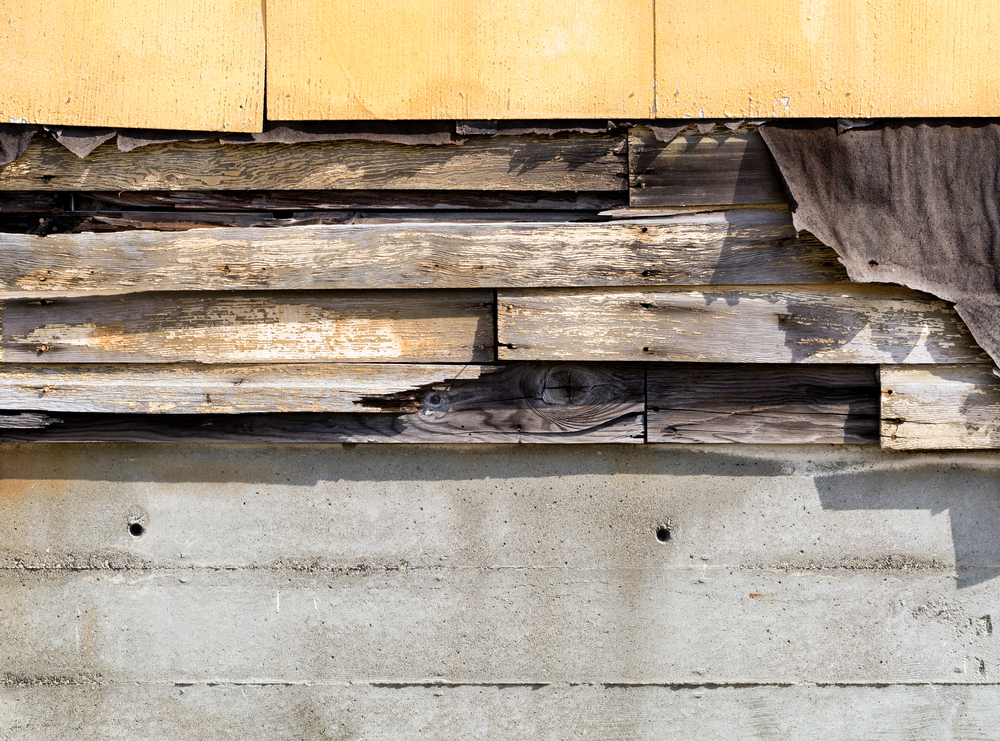
Alaska has a significant number of buildings constructed before the 1980s, and Anchorage is no exception. During that period, asbestos was widely used in floor tiles, pipe insulation, roofing materials, and textured ceiling coatings. Lead paint was similarly common on walls, trim, and window frames. In some older commercial and industrial structures, polychlorinated biphenyls (PCBs) were used in caulking and electrical components, while mercury-containing thermostats and fluorescent lighting added further layers of complexity.
What makes the Anchorage environment particularly demanding is the climate. Freeze-thaw cycles, permafrost shifts, and the structural stress caused by Alaska’s seismic activity can degrade building materials over time. This degradation increases the likelihood that hazardous materials become friable, meaning they break apart and release microscopic particles into the air. When renovation or demolition begins without proper precautions, those particles become a serious health hazard for workers and occupants alike.
Contractors working in AK must also navigate a regulatory environment that combines federal oversight from agencies like the EPA and OSHA with state-specific requirements from the Alaska Department of Environmental Conservation. Staying compliant requires understanding both layers of regulation before a single wall is touched.
The Importance of a Pre-Renovation Hazardous Material Survey
Before any retrofitting work begins on an older Anchorage property, a thorough hazardous material survey is essential. This process, often called a pre-demolition or pre-renovation environmental assessment, involves certified inspectors who collect samples from suspect materials and send them to accredited laboratories for analysis. The results of this survey form the foundation of the entire remediation plan.
In Alaska, the cost of cutting corners at this stage is especially high. Remote job sites, limited access to emergency medical facilities, and the logistical challenges of operating in a subarctic environment mean that an unexpected asbestos exposure incident can have consequences far beyond what might occur in more temperate, urban settings. A properly conducted survey eliminates guesswork and allows project teams to budget accurately for hazardous material remediation before breaking ground.
For property owners, commissioning this survey early also protects against legal liability. If workers later develop health problems linked to unreported asbestos or lead exposure on a job site, the consequences for property owners who failed to disclose known hazards can be severe. Transparency and documentation are your best protection in every phase of the project.
Asbestos Abatement: Protocols, Supplies, and Best Practices
Asbestos abatement is among the most regulated activities in the construction industry, and for good reason. Asbestos fibers, when inhaled, can cause mesothelioma, asbestosis, and lung cancer, sometimes decades after initial exposure. In Anchorage and throughout Alaska, licensed abatement contractors must follow strict protocols for containment, removal, and disposal of asbestos-containing materials.
The right asbestos abatement supplies are not optional accessories; they are fundamental to worker safety and regulatory compliance. Proper containment requires heavy-duty polyethylene sheeting, negative air pressure machines equipped with HEPA filtration, and critical barriers at entry and exit points. Wet methods, which involve applying amended water to friable asbestos materials before removal, are used to minimize fiber release during the process. All removed materials must be sealed in leak-tight, labeled disposal bags that meet EPA specifications before being transported to an approved waste facility.
Workers involved in asbestos abatement must be trained and certified in accordance with both federal and Alaska state standards. This training covers not only the technical aspects of containment and removal but also decontamination procedures that protect workers from carrying fibers out of the work zone. Personal decontamination units, including clean rooms and equipment rooms, are standard features of any compliant abatement project.
Documentation is equally critical. Abatement contractors in AK are required to maintain detailed records of all activities, from the initial air monitoring tests to the final clearance inspection conducted after removal is complete. These records protect contractors, property owners, and future occupants of the building.
Safety PPE for Contractors: Gearing Up for Hazardous Environments
No discussion of hazardous material remediation is complete without addressing personal protective equipment (PPE). Safety PPE for contractors working in Anchorage on older buildings must be carefully selected to address multiple hazards simultaneously, including asbestos fibers, lead dust, chemical contaminants, and the physical demands of Alaska’s challenging climate.
Respiratory protection is the cornerstone of any hazardous materials PPE program. For asbestos work, half-face or full-face respirators equipped with P100 filters are the minimum standard, while full-face supplied-air respirators may be required for high-concentration environments. Lead abatement typically calls for at least an N100 respirator, with higher protection levels required depending on the activity and airborne lead concentrations present.
Beyond respiratory protection, contractors need disposable coveralls (Tyvek suits are industry standard), nitrile gloves, and protective boot covers to prevent cross-contamination. In Alaska, where temperatures can be extreme, balancing thermal protection with the mobility required for abatement work is a genuine challenge. Some contractors opt for layering strategies that allow them to add or remove insulation while maintaining full PPE compliance inside the work zone.
Eye and face protection, hard hats, and hearing protection round out a complete PPE kit for most hazardous material remediation projects. Contractors should conduct a thorough job hazard analysis before each project phase to ensure the selected PPE matches the specific hazards present. Equipment must also be inspected before each use, properly stored, and replaced on schedule to maintain its protective integrity.
Anchorage contractors should also stock adequate supplies of PPE on-site at all times. Supply chain disruptions have historically created shortages of critical safety equipment, and being caught short on a live abatement project is a scenario no one wants to face. Building a reliable relationship with a reputable supplier of asbestos abatement supplies and safety PPE for contractors is a practical investment in both safety and project continuity.
Hazardous Material Remediation: Planning for Long-Term Success in Alaska
Successful hazardous material remediation in Anchorage is not just about the immediate work of removing dangerous substances. It is about building a culture of safety that carries through the entire lifecycle of a renovation project and beyond.
Project planning should incorporate hazardous material considerations from the earliest design phase. Architects and engineers working on older Anchorage properties should flag potential hazardous material zones on project drawings, coordinate with abatement specialists before finalizing timelines, and build contingency budgets to handle discoveries made during the work itself. It is common for renovation projects in Alaska to uncover hazardous materials that were not identified during the initial survey, particularly in hidden spaces like wall cavities, attic structures, and beneath floor coverings.
Community communication is also part of the picture. For occupied buildings undergoing phased renovations, keeping tenants and neighbors informed about the work being done, the precautions being taken, and the air monitoring results helps build trust and reduces the risk of complaints or interference with the abatement process.
Finally, investing in ongoing training for your workforce pays dividends over time. The regulatory landscape for hazardous material remediation in Alaska continues to evolve, and contractors who stay current with training requirements, updated abatement protocols, and advances in PPE technology are better positioned to win contracts, complete work safely, and build a reputation for excellence in the Anchorage market.
Conclusion
Retrofitting older buildings in Anchorage, Alaska, is rewarding work that breathes new life into the community’s built environment. But it carries real responsibilities. By investing in proper surveys, sourcing quality asbestos abatement supplies, equipping your crew with reliable safety PPE for contractors, and following established hazardous material remediation protocols, you protect your workers, your clients, and yourself. In Alaska, where the stakes of every project are amplified by geography and climate, doing the job right the first time is always the best approach.
Got questions? Let us help! Call us today to learn more!
Categorised in: Tips
This post was written by admin