
Tackling the Damp: Safe Mold Abatement and Prevention in Coastal Alaska Renovations
August 14, 2026 3:16 pm Leave your thoughtsRenovating a home or commercial property in coastal Alaska means dealing with moisture in ways that are easy to underestimate. Long wet seasons, snow, freeze-thaw conditions, limited drying opportunities, and tightly enclosed buildings can allow damp materials to remain wet long enough for mold to become a renovation concern.
Quick answer: Safe mold abatement during coastal Alaska renovations starts with identifying and correcting the moisture source before damaged materials are covered by new finishes. Wet building materials should be evaluated carefully, affected areas should be contained when appropriate, and materials that cannot be safely cleaned or dried may need removal. Prevention depends on controlling water intrusion, condensation, ventilation, and indoor humidity throughout the renovation.
What local readers should know
-
Mold cleanup is incomplete if the leak, condensation problem, or other moisture source remains.
-
Coastal Alaska properties can face persistent moisture from rain, snow, wind-driven precipitation, and damp outdoor conditions.
-
Renovations may uncover concealed moisture around exterior walls, windows, roofs, crawl spaces, bathrooms, and other vulnerable areas.
-
Painting or installing new finishes over damp or mold-affected materials can conceal the problem rather than resolve it.
-
Larger or complicated mold conditions are better evaluated by qualified professionals rather than treated as a routine DIY cleaning project.
Why Mold Matters During Coastal Alaska Renovations
Mold matters during coastal Alaska renovations because construction can expose moisture damage that remained hidden behind walls, ceilings, flooring, cabinets, and insulation. Opening these assemblies creates an opportunity to find the source, remove affected materials when necessary, and improve moisture control before the building is closed back up.
Anchorage sits in Southcentral Alaska rather than the wetter Southeast Alaska coast, but local properties still contend with snow, rain, cold surfaces, seasonal thawing, and substantial differences between indoor and outdoor temperatures. Communities around Cook Inlet and the broader Southcentral region can experience similar building-envelope challenges.
Superior Products Inc. understands that moisture management needs to be considered as part of the renovation process, not as an afterthought. When our work involves areas where dampness or mold is present, the goal is to address the underlying building condition and help create a sound foundation for the renovation work that follows.
Local Data and Field Conditions to Consider
Local climate conditions make moisture control a practical renovation priority throughout Southcentral and coastal Alaska. Cold exterior temperatures can create cold surfaces inside building assemblies, while snow accumulation, melting snow, rainfall, plumbing leaks, and inadequate ventilation can introduce or trap moisture.
Properties from Anchorage and Eagle River to Girdwood can experience very different site conditions, exposure, elevations, and precipitation. Buildings near Turnagain Arm may also experience demanding wind and weather exposure.
For an individual renovation, site-specific conditions matter more than a statewide rule of thumb. The location of moisture, duration of wetting, type of affected material, ventilation, and condition of the building envelope should all guide the response.
How Mold and Dampness Affect Local Properties
Mold and persistent dampness can damage building materials, complicate renovation work, and allow hidden deterioration to continue after new finishes are installed. For Anchorage property owners, addressing moisture early can reduce the chance of reopening newly completed walls, floors, or ceilings later.
Wood, drywall, insulation, flooring systems, and other materials respond differently to moisture. Some surfaces may be cleanable once the moisture source is corrected, while porous or deteriorated materials may require removal.
Dampness can also signal a larger issue. A stained wall near a window, for example, may point to exterior water entry, condensation, flashing problems, or another building-envelope condition that should be understood before reconstruction begins.
Warning Signs of a Moisture or Mold Problem
Warning signs of mold or excess moisture include visible growth, persistent odors, staining, recurring condensation, and building materials that remain damp. During an Anchorage renovation, these clues deserve attention before demolition moves into reconstruction.
Watch for:
-
Musty or earthy odors that persist after normal cleaning.
-
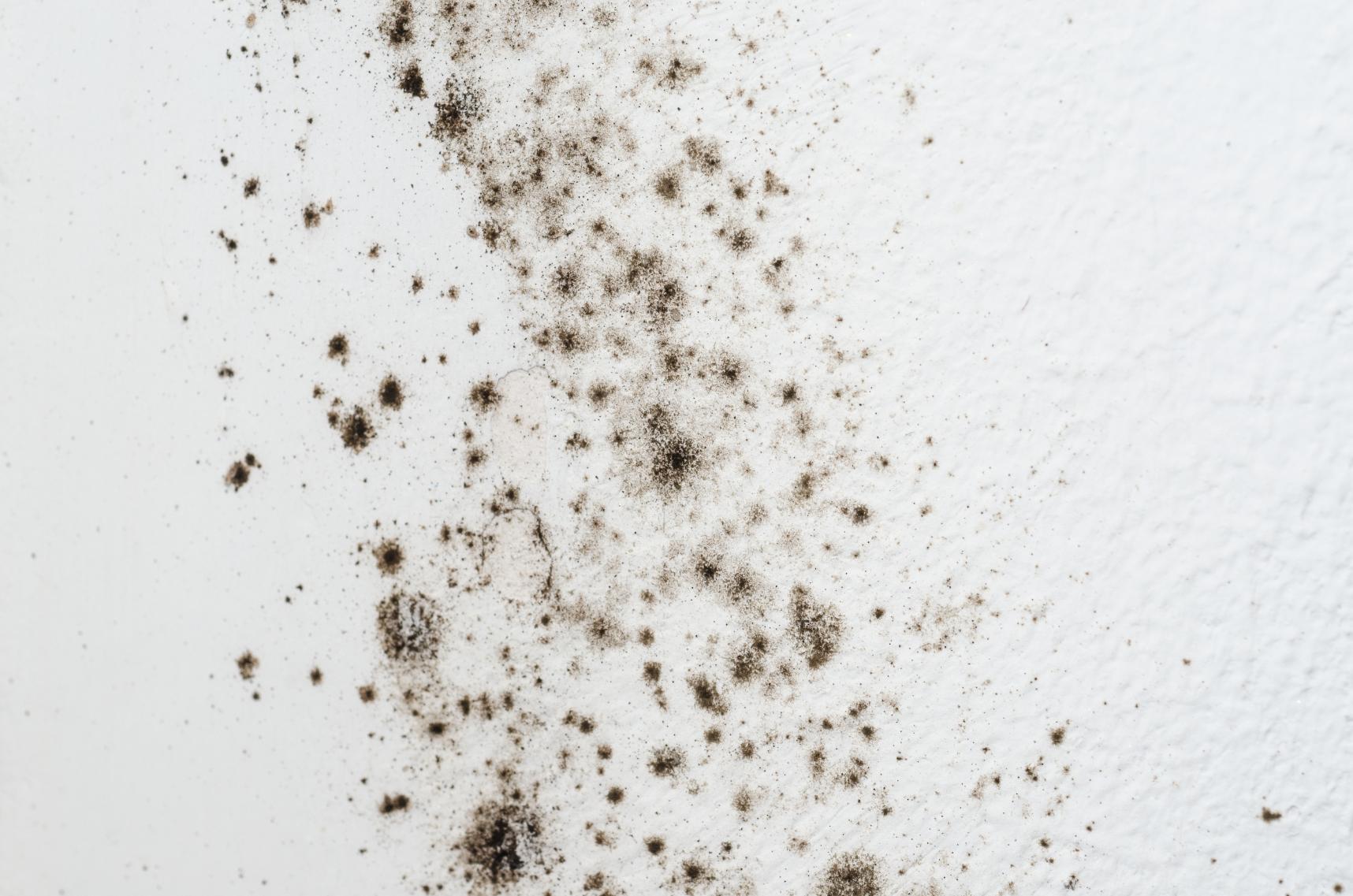
Dark, discolored, spotted, or fuzzy growth on building materials.
-
Water stains around windows, ceilings, exterior walls, or plumbing.
-
Drywall that feels soft, swollen, or deteriorated.
-
Peeling paint, bubbling finishes, or warped trim.
-
Damp insulation discovered after opening a wall or ceiling.
-
Recurring condensation on windows or other cold surfaces.
-
Evidence of roof, plumbing, foundation, or exterior-envelope leakage.
When to Call a Professional
Professional help is appropriate when mold is widespread, concealed inside building assemblies, associated with substantial water damage, or beyond what can be safely handled with basic cleaning and moisture control. Renovation projects can disturb affected materials, so understanding the scope before demolition is particularly valuable.
Homeowners can safely watch for condensation, check accessible areas for leaks, keep exhaust systems operating properly, and monitor visible moisture. DIY work should stop when opening materials could spread significant contamination, the moisture source cannot be identified, or damaged structural and building-envelope components are involved.
Common Causes of Mold in Coastal Alaska Renovations
The most common causes of renovation-related mold are water intrusion, condensation, plumbing leaks, inadequate ventilation, and materials that stayed wet before being enclosed. Southcentral Alaska’s cold climate can make several of these problems overlap.
-
Exterior water intrusion: Roofs, windows, doors, siding transitions, and penetrations can admit rain or melting snow.
-
Condensation: Warm indoor air contacting sufficiently cold surfaces can create moisture on windows, walls, or concealed building components.
-
Plumbing leaks: Slow leaks may remain unnoticed until cabinets, walls, or flooring are removed.
-
Ventilation problems: Bathrooms, kitchens, laundry areas, and other moisture-producing spaces need appropriate moisture management.
-
Crawl space or foundation moisture: Conditions below the occupied space can contribute to damp materials and odors.
-
Construction moisture: Materials exposed during renovation should be allowed to dry appropriately before being enclosed.
Preventing Mold During and After Renovation
Mold prevention starts by keeping materials dry, controlling indoor moisture, and correcting water entry before walls and finishes are closed. In Anchorage, renovation planning should account for cold weather, snowmelt, seasonal precipitation, and limited exterior drying conditions.
Inspect exposed framing and sheathing during demolition. Look closely around windows, roof transitions, bathrooms, kitchens, utility areas, and previously stained surfaces. Correct active leaks before installing insulation, drywall, flooring, or cabinetry.
Use bathroom and kitchen exhaust as intended, maintain appropriate ventilation, and pay attention to recurring window condensation. Exterior drainage and roof systems should also direct water away from vulnerable building areas.
DIY inspections are useful, but visible surface cleaning should not substitute for investigating recurring moisture.
What to Expect From Proper Mold Abatement
Proper mold abatement should leave the renovation area ready for reconstruction only after affected materials and the underlying moisture problem have been appropriately addressed. The exact process depends on the amount of affected material, where it is located, and why it became wet.
A professional evaluation may involve identifying the moisture source, determining the affected area, planning containment, removing materials that cannot be retained, cleaning appropriate surfaces, and confirming that moisture conditions are suitable before reconstruction proceeds.
No responsible renovation plan should promise that a building will never experience mold again. Long-term results depend on keeping the repaired area dry and maintaining the systems that control water and indoor moisture.
Common Mold Remediation Mistakes
The most common mistakes involve treating visible mold without correcting the moisture condition that allowed it to develop. In an Alaska renovation, that can mean spending money on new finishes only to discover recurring dampness later.
Mistake: Painting over staining or growth.
Consequence: The underlying moisture condition may continue unnoticed.
Better approach: Determine why the material became damp before refinishing.
Mistake: Closing a wall too quickly.
Consequence: Moisture can become trapped inside the completed assembly.
Better approach: Verify that affected materials and the moisture source have been addressed first.
Mistake: Assuming every problem is a plumbing leak.
Consequence: Condensation or exterior water intrusion may go unresolved.
Better approach: Consider the complete building envelope and indoor moisture conditions.
Mistake: Disturbing extensive affected material without a plan.
Consequence: Demolition can spread dust and debris into surrounding areas.
Better approach: Seek professional guidance when the scope exceeds straightforward maintenance.
A Common Anchorage Renovation Scenario
A common Anchorage scenario begins when demolition reveals staining or suspect growth behind a wall that appeared normal from the finished side. This is a representative situation, not a specific Superior Products Inc. project.
Imagine a renovation where drywall is removed around an exterior wall near a window. Damp insulation and staining become visible. Simply replacing the insulation and drywall would miss the central question: where did the moisture come from?
The better sequence is to investigate the moisture pathway, correct the contributing condition, evaluate affected materials, complete appropriate cleanup or removal, and then proceed with reconstruction.
Related Renovation and Moisture Solutions
The right service solution combines moisture correction with renovation planning so that new materials are installed over a suitable, dry building assembly. Depending on the property, that may involve demolition, removal of damaged materials, repairs, moisture-management improvements, and reconstruction.
Our role is to help property owners approach renovation problems as connected building issues rather than isolated cosmetic defects.
Comparing DIY Monitoring and Professional Abatement
DIY monitoring works best for routine moisture prevention, while professional assistance becomes more appropriate when mold is extensive, concealed, recurring, or connected to significant building damage. Anchorage homeowners can perform regular visual checks, but opening contaminated assemblies or diagnosing persistent water entry may require specialized expertise.
DIY maintenance can include watching for leaks, using exhaust ventilation, checking condensation, and keeping accessible surfaces dry. Professional involvement can provide a more systematic approach when demolition exposes a larger problem or the moisture source is uncertain.
Service Areas
Local renovation and moisture concerns extend throughout Anchorage and nearby Southcentral Alaska communities. Conditions can vary between areas such as Eagle River, Chugiak, Girdwood, and properties closer to Turnagain Arm and Cook Inlet.
Property owners should base renovation decisions on the actual building, site exposure, and moisture conditions rather than assuming every Alaska property faces the same problem.
The Cost of Ignoring Damp Materials
Ignoring damp or mold-affected materials can lead to additional material damage and make future repairs more disruptive. Covering a problem during an Anchorage renovation can be especially costly because newly installed drywall, flooring, cabinets, insulation, or finishes may need to be removed again to reach the original moisture source.
Addressing suspicious conditions while an area is already open can make investigation and corrective work more practical.
FAQ
Is mold common during renovations in Anchorage?
Mold can be discovered during Anchorage renovations when demolition exposes areas that experienced previous or ongoing moisture. Finding it does not automatically reveal the cause. Water intrusion, plumbing leaks, condensation, and ventilation problems are among the conditions that should be investigated before affected areas are reconstructed.
Can I simply clean mold and continue my renovation?
Cleaning visible mold may not be enough if the material remains damp or the underlying moisture source has not been corrected. Before continuing an Alaska renovation, determine why the area became wet and whether affected materials can appropriately remain in place. More extensive or concealed conditions may warrant professional evaluation.
Why does condensation matter in Anchorage homes?
Condensation matters because warm indoor moisture can collect on sufficiently cold surfaces and contribute to persistent dampness. Anchorage’s cold seasons can create significant temperature differences across windows and building assemblies. Recurring condensation is therefore worth investigating, particularly when staining, damp finishes, or musty odors appear nearby.
Should mold be handled before new drywall is installed?
Yes, mold and the moisture condition behind it should be addressed before new drywall closes the assembly. Installing finishes over unresolved dampness can conceal the problem and make future access more disruptive. Renovation provides a useful opportunity to inspect exposed framing, insulation, and surrounding materials before reconstruction.
Are coastal Alaska mold problems different from problems elsewhere?
Coastal Alaska properties face a distinctive combination of cold temperatures, precipitation, snow, wind exposure, and seasonal drying limitations. Conditions also vary substantially across the state. A property near Cook Inlet will not necessarily experience the same moisture exposure as one in Southeast Alaska, so building-specific evaluation matters.
Where should Eagle River and Chugiak homeowners check for moisture?
Eagle River and Chugiak homeowners should pay particular attention to areas showing actual evidence of water or condensation, including windows, ceilings, plumbing locations, bathrooms, crawl spaces, and exterior-wall transitions. The most useful inspection targets are places with staining, odors, damp materials, peeling finishes, or a known history of leakage.
Can a renovation prevent mold from returning?
A renovation can reduce future mold risk when it successfully corrects the moisture conditions that contributed to the original problem. No renovation can guarantee that mold will never occur again. Ongoing roof, plumbing, ventilation, drainage, and building-envelope maintenance remains important for Southcentral Alaska properties.
When should an Anchorage homeowner stop DIY mold cleanup?
DIY cleanup should stop when the affected area appears extensive, keeps returning, is hidden inside building assemblies, or involves substantial water or material damage. If demolition could spread contaminated dust and debris or the moisture source remains uncertain, professional evaluation can help determine a safer and more appropriate path forward.
Build Back With Moisture Control in Mind
A successful coastal Alaska renovation is about more than replacing what can be seen. Finding and addressing dampness before reconstruction gives property owners a better opportunity to protect new materials and reduce the likelihood of repeating the same repair.
Address the Moisture Before You Rebuild
Our approach focuses on understanding the problem first so renovation decisions can be made with the condition of the building in mind.
Categorised in: Tips
This post was written by admin