The Great Alaskan Breakup: Protecting Commercial Foundations from Subsurface Moisture
July 4, 2026 6:52 pm Leave your thoughtsCommercial buildings in Anchorage face unique challenges beneath the surface. While most property owners focus on roofs, parking lots, and exterior walls, subsurface moisture and seasonal freeze thaw cycles can quietly undermine a building’s foundation over time. Understanding how moisture affects the ground beneath your facility can help you avoid expensive structural repairs and business interruptions.
Quick Answer
Subsurface moisture can weaken the soil supporting commercial foundations, especially in Anchorage where snowmelt, heavy precipitation, and seasonal freeze thaw cycles constantly change ground conditions. Proper moisture management, drainage solutions, and high-quality foundation protection products help reduce soil movement and extend the life of commercial structures.
What Local Readers Should Know
- Anchorage experiences repeated freeze thaw cycles that can expand and contract moisture trapped beneath commercial foundations.
- Snow accumulation and spring melt often create periods of saturated soil that place additional stress on building foundations.
- Poor drainage around warehouses, retail centers, and industrial facilities can accelerate foundation movement over time.
- Businesses near Cook Inlet, Ship Creek, and low-lying commercial districts may experience additional moisture concerns depending on soil conditions.
- Routine inspections can identify drainage and moisture issues before structural damage becomes significant.
Why This Matters Locally
Subsurface moisture behaves differently in Southcentral Alaska than it does in many other regions. Commercial properties throughout Anchorage, Midtown, Spenard, Mountain View, and the surrounding Municipality of Anchorage experience long winters followed by rapid snowmelt. During these seasonal transitions, water can collect beneath buildings if drainage systems are inadequate.
Many commercial sites also contain varying soil types that respond differently to changing moisture levels. Some areas drain efficiently, while others retain water for extended periods. Combined with freezing temperatures, these conditions create ongoing stress beneath foundations.
Superior Products Inc. helps commercial property owners understand how moisture management products and foundation protection solutions contribute to long-term building performance. From that point forward, we focus on helping businesses reduce moisture-related risks before they become costly repairs.
Local Data and Field Observations
According to the National Weather Service, Anchorage receives significant annual snowfall along with regular precipitation throughout the year. Seasonal warming can produce rapid snowmelt that saturates soils during spring. Combined with freezing overnight temperatures, this creates repeated freeze thaw activity that affects pavement, utilities, and building foundations.
From our field observations, commercial properties with poor grading, aging drainage systems, or inadequate waterproofing often experience recurring moisture problems beneath slabs and around foundation walls. Facilities with large parking areas can also direct substantial runoff toward structures if drainage is not properly designed.
Local Impact
Foundation movement affects far more than the structural frame of a building. Even small shifts can create operational challenges for commercial facilities.
Businesses may experience:
- Cracked concrete floors
- Uneven warehouse slabs
- Doors that no longer close properly
- Water intrusion into storage areas
- Increased maintenance costs
- Disruption to equipment installation or inventory storage
For businesses operating year-round in Anchorage, minimizing downtime is often just as important as preventing structural damage.
Warning Signs
Commercial property owners should watch for these common indicators of subsurface moisture problems:
- New or widening foundation cracks
- Water pooling near the building after snowmelt or rain
- Uneven or settling concrete floors
- Gaps forming around doors or windows
- Cracks in masonry or exterior walls
- Persistent dampness in lower levels
- Soil erosion around foundation edges
- Standing water that remains for several days
These warning signs do not always indicate major structural issues, but they should be evaluated before conditions worsen.
When to Call a Professional
Professional evaluation is recommended whenever foundation movement, persistent moisture, or drainage issues become noticeable.
Property managers can safely monitor drainage after storms, clear debris from drainage paths, and document new cracks. However, recurring water intrusion, visible settlement, or expanding structural cracks should be inspected by qualified professionals who understand commercial foundation systems and moisture control products.
In Alaska’s climate, delaying an inspection often allows additional freeze thaw cycles to increase damage.
Common Local Causes
Several conditions commonly contribute to foundation moisture issues in the Anchorage area.
1. Seasonal Snowmelt
Rapid spring thaw introduces large amounts of water into surrounding soils within a short period.
2. Poor Site Drainage
Improper grading allows water to collect alongside commercial foundations instead of flowing away.
3. Freeze Thaw Expansion
Water trapped beneath slabs expands during freezing temperatures and contracts during warmer periods, gradually moving soils.
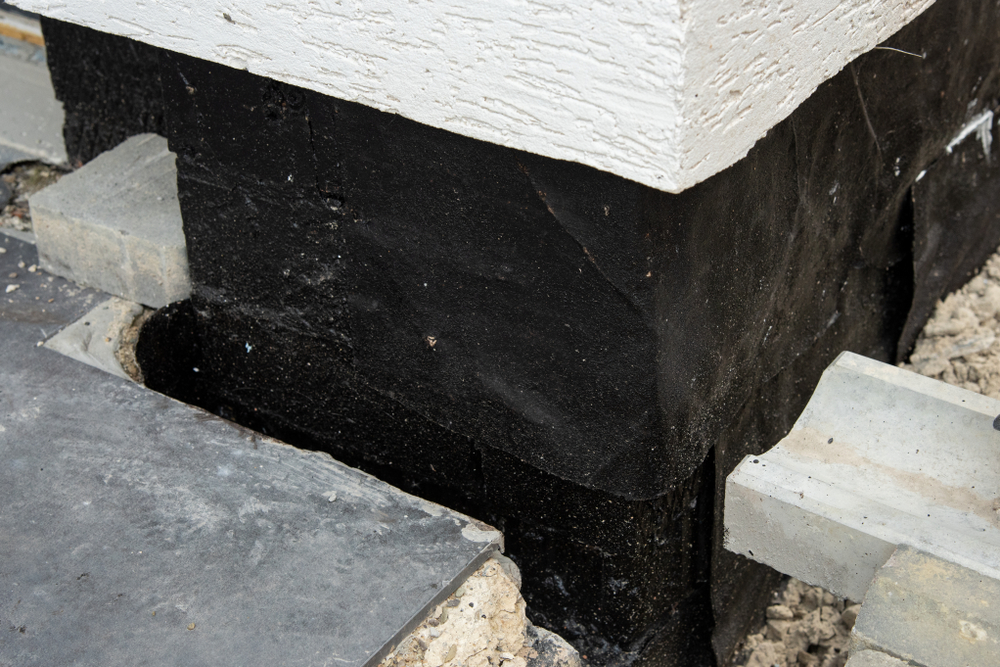
4. Aging Waterproofing Systems
Older commercial buildings may have deteriorating moisture barriers that no longer perform effectively.
5. Surface Water Runoff
Large roofs and parking lots generate significant runoff that requires properly designed drainage systems.
Prevention and Maintenance
Reducing foundation moisture begins with routine property maintenance.
Commercial property owners should:
- Inspect drainage systems before spring snowmelt.
- Keep catch basins and drains clear of debris.
- Monitor grading around buildings after construction projects.
- Address standing water promptly.
- Schedule periodic foundation inspections.
- Replace deteriorated waterproofing materials when needed.
Preventive maintenance is generally more economical than correcting extensive foundation movement.
Expected Results
Effective moisture management helps stabilize soil conditions surrounding commercial foundations.
While every property is different, owners who address drainage and subsurface moisture concerns early often experience:
- Reduced risk of settlement
- Improved foundation longevity
- Lower maintenance expenses
- Better protection for interior spaces
- Fewer interruptions to business operations
Results depend on existing site conditions, building design, and the specific moisture management solutions selected.
Common Mistakes
Ignoring small foundation cracks
Small cracks can become larger if underlying moisture issues remain unresolved.
Focusing only on visible water
Water beneath the surface often causes damage long before standing water becomes visible.
Delaying drainage improvements
Waiting allows additional seasonal cycles to increase soil movement.
Using temporary fixes
Surface patching without addressing moisture sources rarely solves the underlying problem.
Skipping regular inspections
Commercial buildings benefit from routine evaluations that identify changing site conditions early.
Common Local Scenario
A commercial warehouse in the Anchorage area begins developing floor cracks after several winters. During spring, water consistently pools along one side of the building because parking lot drainage directs runoff toward the foundation. Over multiple freeze thaw seasons, soil movement increases, causing uneven slab settlement.
By correcting drainage issues and implementing appropriate moisture protection measures, the property owner helps reduce additional movement while protecting the building’s long-term stability.
Related Service Solutions
Several products and solutions work together to help manage subsurface moisture around commercial foundations, including:
- Foundation waterproofing systems
- Drainage products
- Vapor barriers
- Concrete protection materials
- Site drainage components
- Moisture management systems
Selecting the appropriate solution depends on building design, soil conditions, and long-term maintenance goals.
Comparing Your Options
| Option | Benefits | Limitations |
|---|---|---|
| Monitor Only | Low immediate cost | Problems may continue unnoticed |
| Temporary Surface Repairs | Improves appearance | Does not address subsurface moisture |
| Drainage Improvements | Reduces future moisture exposure | May require site modifications |
| Comprehensive Moisture Protection | Addresses long-term foundation performance | Requires professional planning and installation |
Service Areas
We proudly serve commercial customers throughout Anchorage and nearby communities including Eagle River, Chugiak, Girdwood, Wasilla, and Palmer. We understand the unique environmental conditions that affect commercial properties throughout Southcentral Alaska.
Cost of Ignoring the Issue
Waiting too long to address subsurface moisture can lead to increasing repair costs. Continued soil movement may contribute to foundation settlement, slab cracking, drainage failures, and disruptions to daily business operations. Early evaluation often provides more options for managing moisture before structural concerns become more extensive.
Frequently Asked Questions
How does subsurface moisture affect commercial foundations in Anchorage?
Subsurface moisture changes the strength and stability of supporting soils. In Anchorage, repeated freeze thaw cycles can increase soil movement, placing additional stress on commercial foundations over time.
Is foundation movement common in Southcentral Alaska?
Some amount of movement can occur because of changing soil moisture, seasonal freezing, and snowmelt. Regular inspections help determine whether movement is within expected ranges or requires corrective action.
Can drainage improvements help protect my commercial building?
Yes. Proper drainage helps move water away from foundations, reducing prolonged soil saturation and lowering the potential for moisture-related foundation problems.
What businesses should be most concerned about foundation moisture?
Warehouses, manufacturing facilities, retail centers, office buildings, and other commercial properties with large paved areas should regularly monitor drainage and foundation conditions.
When should Anchorage property managers schedule inspections?
Many property owners schedule inspections following spring snowmelt or after periods of unusually heavy precipitation. Seasonal evaluations help identify developing issues before winter returns.
Does waterproofing eliminate every moisture problem?
No. Waterproofing is one part of a complete moisture management strategy. Proper drainage, grading, maintenance, and routine inspections all contribute to long-term foundation protection.
Are older commercial buildings more vulnerable?
Older buildings may have aging waterproofing systems or drainage infrastructure that no longer performs as intended. Regular evaluations help determine whether upgrades are beneficial.
Why is early detection important?
Early detection allows property owners to address moisture issues before they contribute to larger structural concerns, helping reduce repair costs and minimize business disruption.
Closing
Commercial foundations work best when the soils supporting them remain properly managed throughout Alaska’s changing seasons. By understanding how subsurface moisture affects your property and addressing drainage concerns early, you can help protect your investment for years to come.
Protect Your Commercial Foundation Before Moisture Becomes a Bigger Problem
We understand the challenges that Anchorage businesses face throughout every season and are committed to helping commercial property owners choose practical moisture management solutions.
Categorised in: Tips
This post was written by admin