Breathe Easy Inside: Optimizing Commercial HVAC Systems Against Wildfire Smoke
August 3, 2026 3:53 pm Leave your thoughtsWildfire smoke has become an increasingly familiar concern for businesses across Southcentral Alaska. Even when fires are hundreds of miles away, smoke can drift into the Anchorage area, affecting indoor air quality, employee comfort, and day to day operations. Commercial buildings that rely on properly functioning HVAC systems are better positioned to reduce smoke intrusion and maintain healthier indoor environments.
Quick Answer
Optimizing a commercial HVAC system against wildfire smoke means improving filtration, maintaining proper building pressure, replacing filters as needed, and ensuring the entire system is operating efficiently. During wildfire smoke events in Anchorage, these measures can help reduce airborne particles inside commercial buildings, improve occupant comfort, and support healthier indoor air quality without unnecessarily increasing system strain.
What Local Readers Should Know
-
Wildfire smoke can travel long distances and affect indoor air quality throughout Anchorage, even when fires are not nearby.
-
Commercial HVAC filters require more frequent inspection during extended smoke events because airborne particles accumulate quickly.
-
Businesses near Ted Stevens Anchorage International Airport, Downtown Anchorage, Midtown, and surrounding commercial districts may notice changing air quality depending on weather patterns and wind direction.
-
Proper building pressurization can help reduce the amount of outdoor smoke entering offices, warehouses, retail spaces, and other commercial facilities.
-
Routine HVAC maintenance helps businesses prepare before wildfire season instead of reacting after smoke has already entered the building.
Why This Matters Locally
Optimizing commercial HVAC systems against wildfire smoke is especially important because Alaska’s wildfire season can affect indoor environments across the Municipality of Anchorage. Smoke carried by regional weather systems may impact businesses throughout Midtown, Spenard, South Anchorage, Eagle River, and neighboring communities.
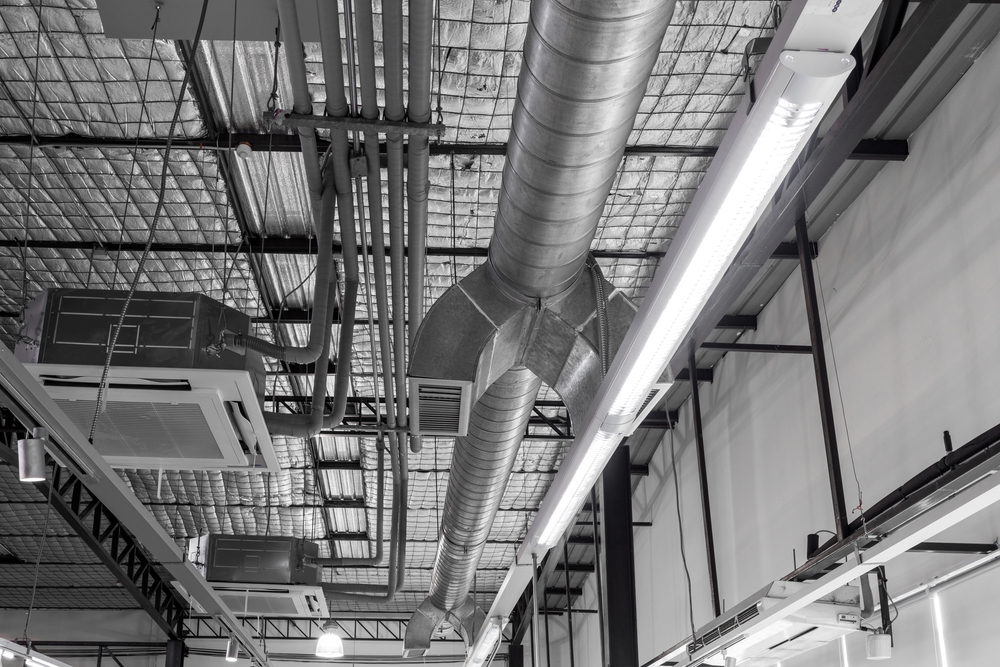
Commercial buildings often operate with high occupant loads and continuous ventilation requirements. When outdoor air quality declines, HVAC systems become the primary defense against airborne smoke particles entering occupied spaces. Businesses that prepare in advance are generally better positioned to maintain comfortable indoor conditions while minimizing disruptions.
Superior Products Inc. helps commercial property owners understand how HVAC system performance affects indoor air quality during challenging environmental conditions. We focus on practical solutions that support reliable building operation while protecting occupant comfort.
Local Data or Field Observations
Professional field observations indicate that commercial HVAC systems often experience significantly higher filter loading during periods of wildfire smoke. Even buildings with regularly maintained systems may require additional filter inspections during prolonged smoke events.
Regional weather conditions, changing wind patterns, and extended periods of airborne particulates can all influence how quickly commercial filtration systems become restricted. Building managers frequently notice increased filter replacement needs, reduced airflow, or higher equipment workload when smoke remains present for several days.
Local Impact
Wildfire smoke affects more than comfort. Poor indoor air quality can reduce employee productivity, create uncomfortable conditions for customers, and increase demands on HVAC equipment.
Commercial buildings throughout Anchorage include office buildings, healthcare facilities, schools, retail centers, warehouses, and industrial properties. Each has different ventilation requirements, but all rely on properly functioning HVAC systems to manage indoor air quality.
When smoke infiltrates indoor spaces, building occupants may notice irritation, lingering odors, or reduced comfort. HVAC systems that are not properly maintained may also experience increased energy consumption as filters become clogged with fine particles.
Warning Signs
Optimizing commercial HVAC systems becomes more urgent when you notice:
-
Smoke odors lingering indoors despite closed windows.
-
Reduced airflow from supply vents.
-
HVAC filters becoming dirty much faster than normal.
-
Increased indoor dust or visible airborne particles.
-
Employees reporting eye, nose, or throat irritation.
-
Higher energy usage during smoke events.
-
Uneven temperatures throughout the building.
-
HVAC equipment running longer than usual.
When to Call a Professional
Professional HVAC service is recommended when smoke persists indoors despite routine filter changes or when building performance noticeably declines.
Building managers can safely monitor filter condition, observe airflow, and pay attention to unusual equipment behavior. However, diagnosing airflow restrictions, evaluating building pressure, inspecting ventilation systems, and recommending appropriate filtration upgrades should be performed by experienced commercial HVAC professionals.
Early evaluation can also help identify maintenance opportunities before smoke events place additional stress on HVAC equipment.
Common Local Causes
Several factors commonly contribute to smoke infiltration in commercial buildings throughout the Anchorage area.
Standard Filtration Limitations
Some commercial systems use filters designed primarily for protecting HVAC equipment rather than capturing fine smoke particles.
Deferred Maintenance
Dirty coils, worn components, and neglected maintenance reduce overall HVAC efficiency during periods of heavy smoke.
Building Air Leakage
Doors, loading docks, aging seals, and building envelope gaps allow smoke to enter more easily.
Increased Outdoor Air Demand
Many commercial buildings require outside ventilation for occupant health. During smoke events, balancing ventilation with indoor air quality becomes increasingly important.
Extended Wildfire Smoke Events
Long-lasting smoke episodes create continuous filtration demands that accelerate filter loading.
Prevention and Maintenance
Preventing indoor smoke problems starts before wildfire season arrives.
Commercial property owners can:
-
Schedule preventative HVAC inspections before summer.
-
Monitor filter condition more frequently during smoke events.
-
Replace filters according to system requirements rather than waiting for routine intervals.
-
Keep outdoor air intakes clean and unobstructed.
-
Verify building pressure is functioning as designed.
-
Address airflow problems before heavy smoke develops.
Routine professional maintenance also provides an opportunity to identify worn components that could reduce filtration performance.
Expected Results
Optimizing a commercial HVAC system helps improve indoor comfort, supports better airflow, and reduces the amount of smoke entering occupied spaces.
Results vary depending on building design, existing equipment, outdoor air quality, and filtration capabilities. While no HVAC system can eliminate every airborne particle during severe smoke events, proper maintenance and appropriate filtration can significantly improve indoor conditions.
Common Mistakes
Mistake: Waiting until smoke enters the building before inspecting HVAC filters.
Consequence: Reduced airflow and increased system strain.
Better Approach: Inspect filtration systems before wildfire season and monitor them throughout smoke events.
Mistake: Assuming every filter performs the same.
Consequence: Lower filtration efficiency against fine smoke particles.
Better Approach: Work with a commercial HVAC professional to determine appropriate filtration for your equipment.
Mistake: Ignoring reduced airflow.
Consequence: Increased energy use and unnecessary equipment wear.
Better Approach: Investigate airflow changes promptly before larger problems develop.
Common Local Scenario
A common situation for Anchorage businesses occurs when regional wildfire smoke settles over the area for several consecutive days. Office staff begin noticing smoky odors indoors even though doors remain closed. Building management discovers filters have become heavily loaded much sooner than expected, reducing airflow throughout the facility. After professional maintenance and filter replacement, indoor conditions improve while the HVAC system operates more efficiently.
Related Service Solutions
Commercial HVAC services that may help reduce wildfire smoke impacts include:
-
Preventative HVAC maintenance
-
Commercial filter replacement
-
Indoor air quality evaluations
-
HVAC system inspections
-
Ventilation performance assessments
-
Airflow balancing
-
Equipment performance optimization
Comparing Your Options
| Option | Benefits | Considerations |
|---|---|---|
| Routine maintenance | Helps keep equipment operating efficiently | Requires ongoing scheduling |
| Filter replacement only | Addresses dirty filters | May not solve airflow or ventilation issues |
| Professional HVAC inspection | Identifies broader system concerns | Provides a more complete evaluation |
| HVAC optimization | Supports indoor air quality and equipment performance | Depends on existing system condition |
Service Areas
We proudly support commercial customers throughout Anchorage and nearby communities including Eagle River, Chugiak, and surrounding areas within the Municipality of Anchorage. Our goal is to help local businesses maintain dependable indoor comfort during changing seasonal conditions.
Cost of Ignoring the Issue
Delaying HVAC maintenance during wildfire smoke season can increase equipment strain, reduce indoor comfort, shorten filter life, and contribute to higher operating costs. Small airflow issues can become larger maintenance concerns if they are not addressed promptly.
Frequently Asked Questions
How does wildfire smoke affect commercial HVAC systems in Anchorage?
Wildfire smoke introduces fine airborne particles that accumulate in HVAC filters more quickly. During smoke events in Anchorage, commercial systems often require more frequent inspections and filter replacements to maintain airflow and indoor comfort.
Should commercial HVAC filters be changed more often during wildfire season?
Yes. Wildfire smoke can shorten filter life considerably. Monitoring filters more frequently during smoke events helps maintain system performance and indoor air quality.
Can commercial HVAC systems completely eliminate wildfire smoke indoors?
No. Commercial HVAC systems help reduce airborne smoke particles, but performance depends on system design, filtration capability, maintenance, and the severity of outdoor smoke conditions.
Why does my office still smell like smoke after replacing the filter?
Smoke odors may indicate additional airflow, ventilation, or building pressure issues. A professional inspection can determine whether other parts of the HVAC system require attention.
Are certain commercial buildings in Anchorage more vulnerable to smoke?
Yes. Older buildings, facilities with high outdoor air requirements, and buildings with aging envelopes may experience greater smoke infiltration during extended wildfire events.
What is the best time to prepare an HVAC system for wildfire season?
The best time is before wildfire smoke becomes widespread. Scheduling preventative maintenance before summer allows building managers to identify maintenance needs before indoor air quality becomes a concern.
Closing
Wildfire smoke presents unique challenges for commercial buildings throughout Anchorage. Proactive HVAC maintenance, effective filtration, and routine inspections help businesses maintain healthier indoor environments while supporting reliable equipment performance during smoke season.
Keep Your Building Ready for Wildfire Smoke
Healthy indoor air starts with a well maintained commercial HVAC system.
Categorised in: Tips
This post was written by admin